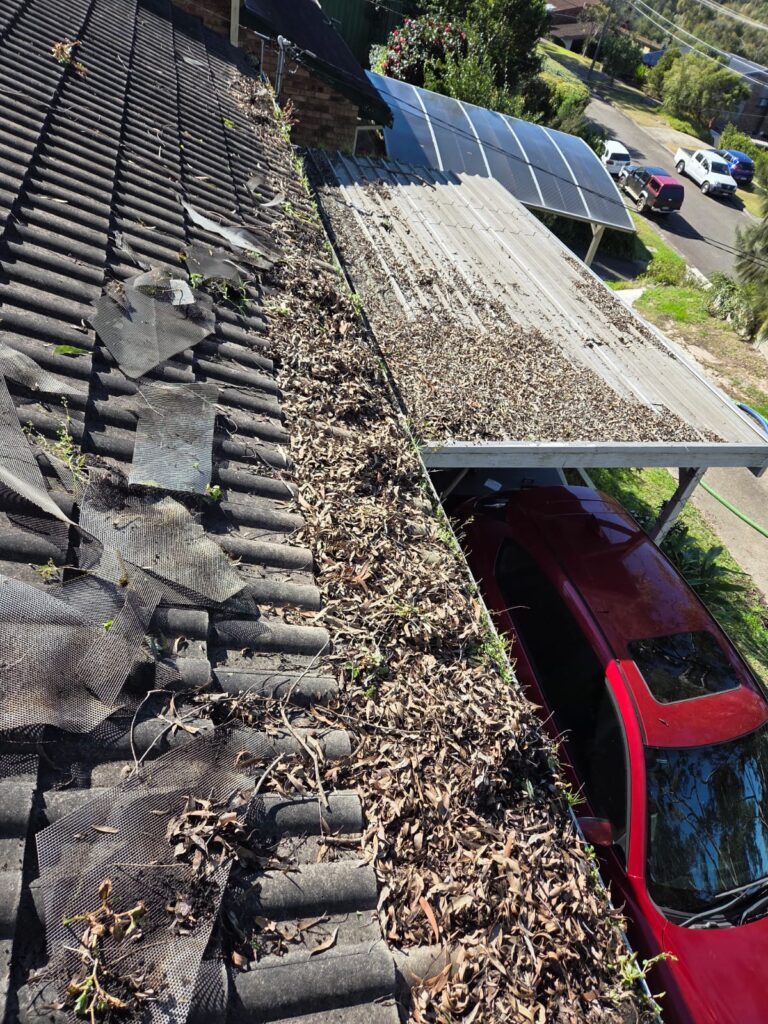

Dust, pollen, bird droppings and salt build up on solar panels and reduce how much power they produce. Regular cleaning helps your system keep performing as it should.
How often should you clean?
Most homes benefit from a clean once or twice a year. Panels near the coast, under trees, or close to roosting birds may need it more often.
What to avoid
- Abrasive brushes, scourers or harsh chemicals that can damage the coating.
- Cleaning in the heat of the day, which causes streaking.
- Climbing onto the roof without proper safety gear.
Do it safely
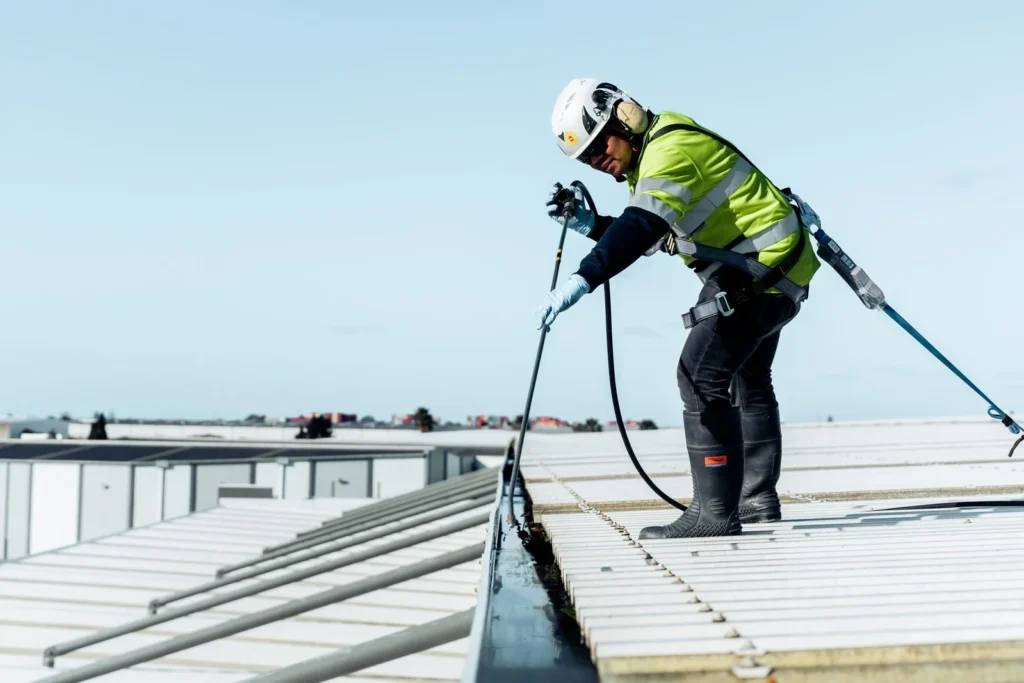
Use soft brushes, pure or filtered water and a gentle approach. If the panels are on a pitched roof, leave it to a professional. Our solar panel cleaning service uses the right equipment for safe, streak-free results.
Fix the cause of the mess
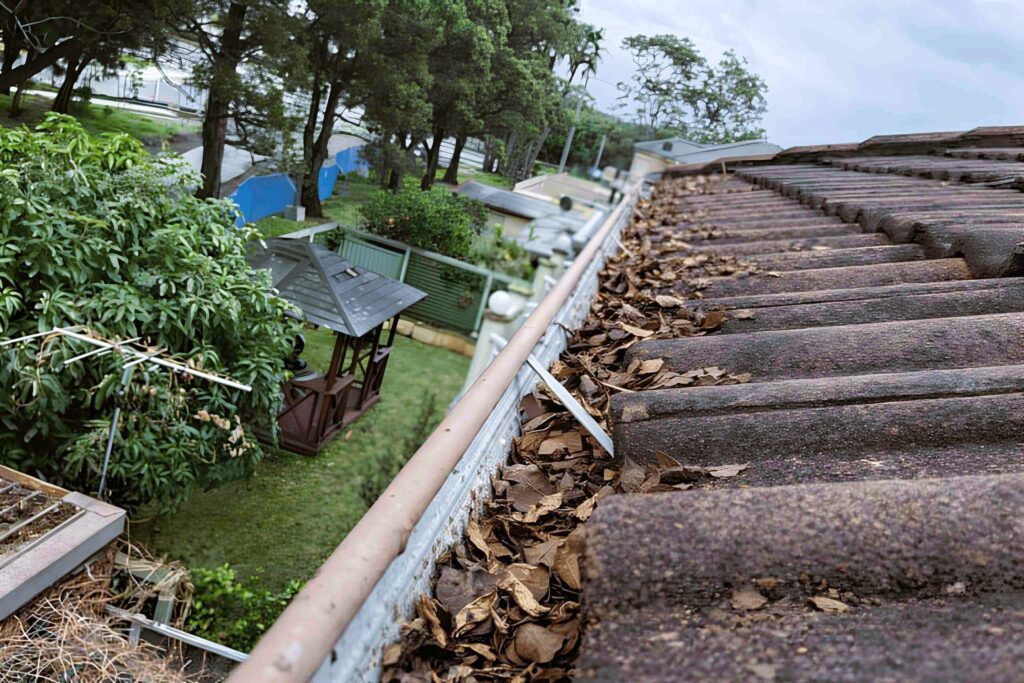
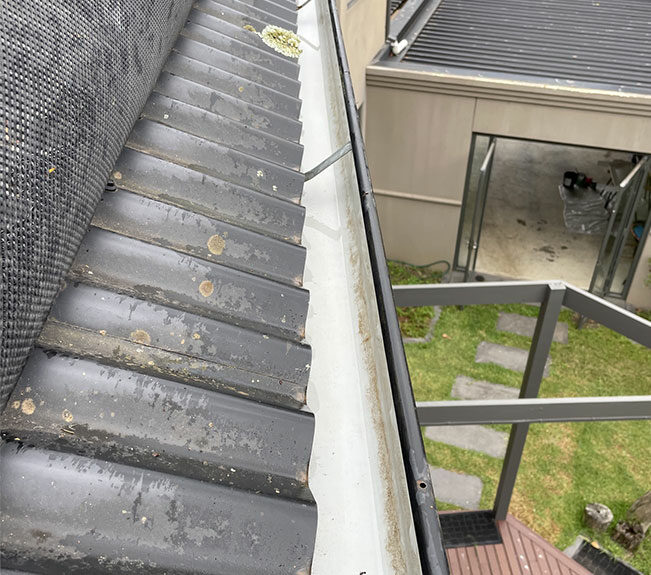
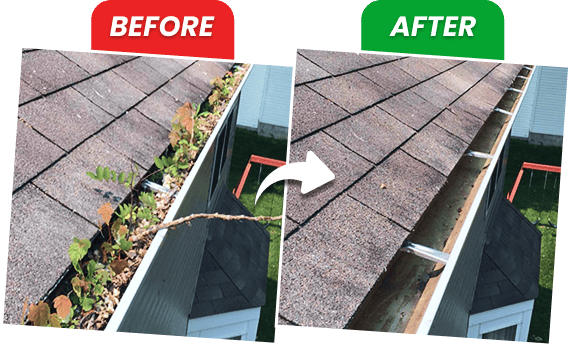
If birds keep nesting under the panels, ask about bird proofing. Clear gutters beside the array also help, as covered in our gutter cleaning service. You can also read how to stop birds nesting in your roof and solar panels.
Why solar panels get dirty
Panels are exposed to everything the roof is: dust, pollen, salt spray, bird droppings, soot, leaf litter and the grime that rain leaves behind as it dries. Light rain actually makes this worse in some cases, because it spreads dust into a film rather than washing it off. Panels with a low tilt angle collect more because water does not run off them as effectively.
How much difference does cleaning make?
The effect depends on how dirty the panels are and what the dirt is. An even film of light dust may only cause a small drop. Concentrated build-up such as bird droppings or leaf matter can shade individual cells, and because cells in a panel are wired in series, shading even a few of them can reduce the output of the whole panel more than you would expect. Cleaning those problem spots is often where the biggest gain is.
How often should you clean solar panels?
- Typical suburban home: once or twice a year.
- Under trees or near roosting birds: every three to six months.
- Coastal, industrial or dusty areas: check seasonally.
- After bushfire smoke or major dust events: inspect and clean as needed.
A good habit is to check your monthly generation after sunny periods. If it is trending down with no other change, dirty panels are one thing to rule out.
Safe cleaning basics
Use the right water
Filtered or deionised water leaves no mineral spots on glass. Hard tap water leaves streaks and deposits as it dries.
Use soft tools
A soft brush or microfibre head on a pole is enough. Avoid scourers, scrapers and pressure washers, which can damage the anti-reflective coating or force water into the seals.
Skip the strong chemicals
Most panels need nothing more than water, and for stubborn marks a mild, non-abrasive cleaner. Check your panel manufacturer guidelines, as strong detergents can void warranties.
Pick the right time
Early morning or late afternoon is best. Cold water on hot glass can cause streaking and in extreme cases thermal stress.
Why not just climb up and do it yourself?
Because the risk is not worth the saving. Panels become slippery when wet, the roof edge may have no fall protection, and electrical equipment sits right where you are working. Many insurers also expect work at height to be done safely. A professional uses a water-fed pole system from the ground or safe access equipment on the roof, so nobody needs to walk across the panels.
Check the surroundings at the same time
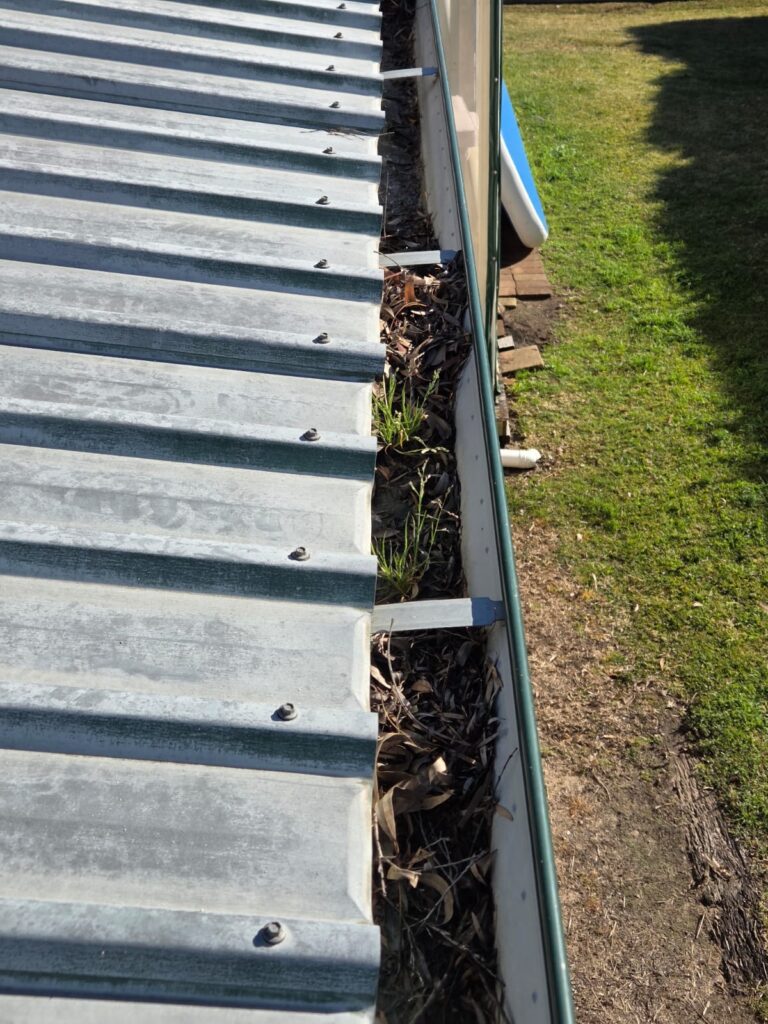
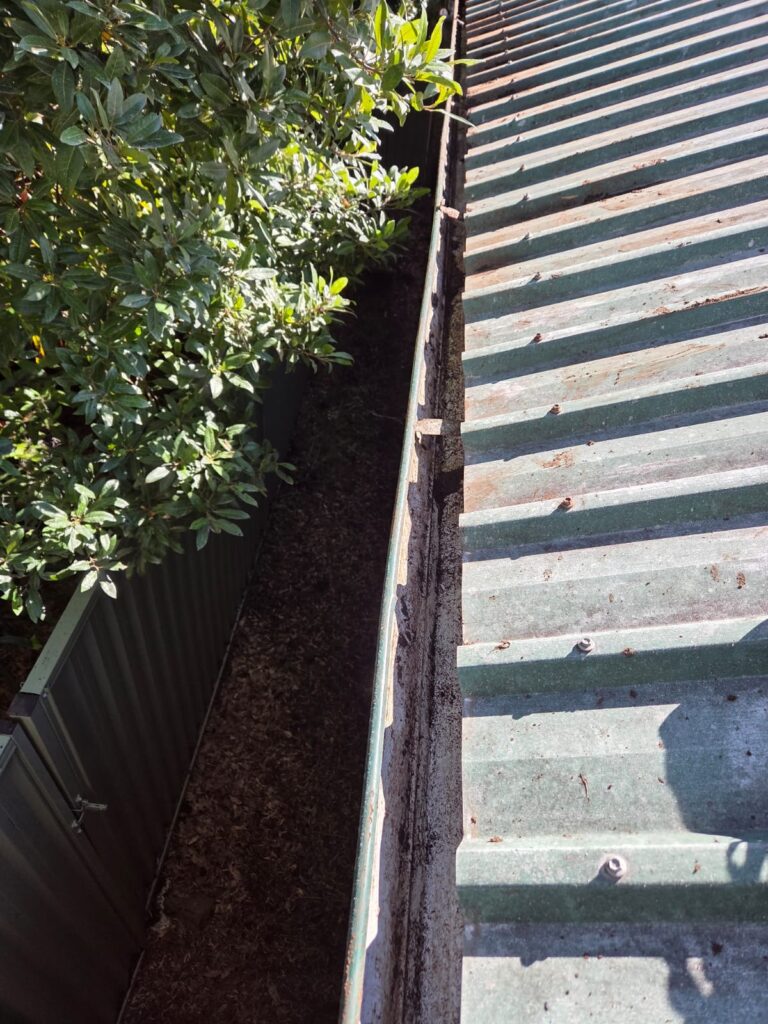
Dirty panels are often a symptom of the roof around them. Overhanging branches drop debris, blocked gutters overflow and run dirt back across the array, and birds roost in the gap under the panels. Dealing with those at the same visit means the panels stay cleaner for longer.
Frequently asked questions
Can I clean panels with a garden hose?
Light rinsing with a hose from the ground is fine for dust, but you cannot reach most roofs safely, and tap water can leave spots.
Will cleaning damage my warranty?
Not if you use water and soft tools. Avoid abrasive products and high pressure, and keep records of professional cleans.
Do I need to turn the system off?
Panels cannot be switched off while the sun is shining, which is another reason to have someone who is used to working around them do it.
Request a free quote and we will get back to you with a fixed price.