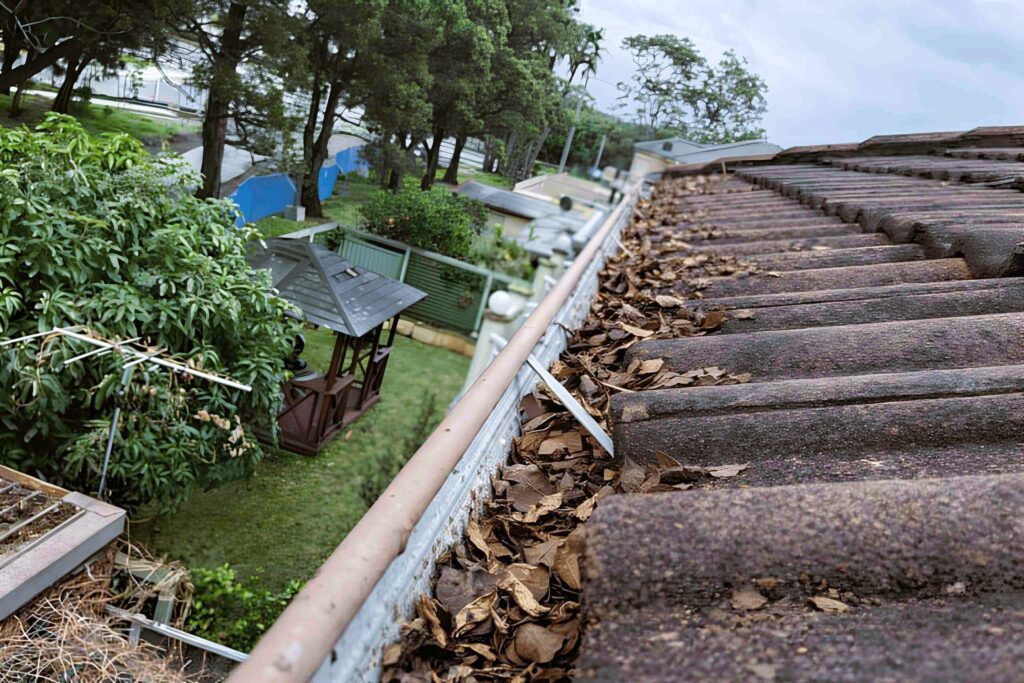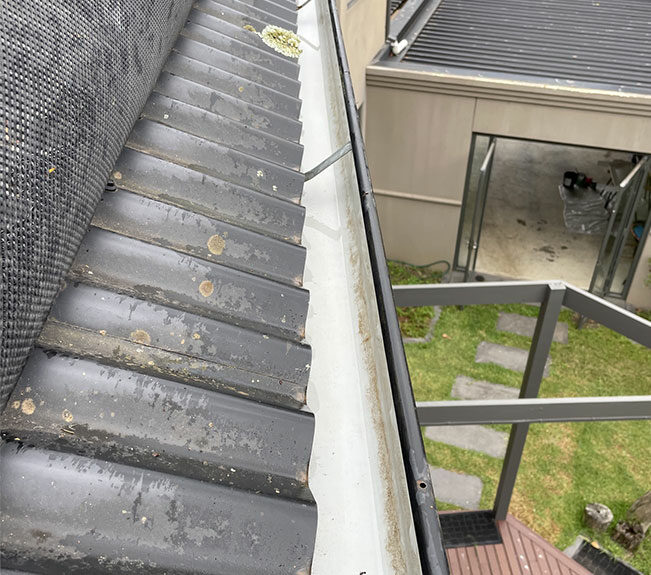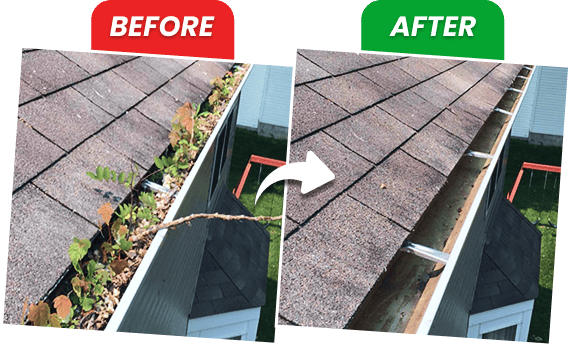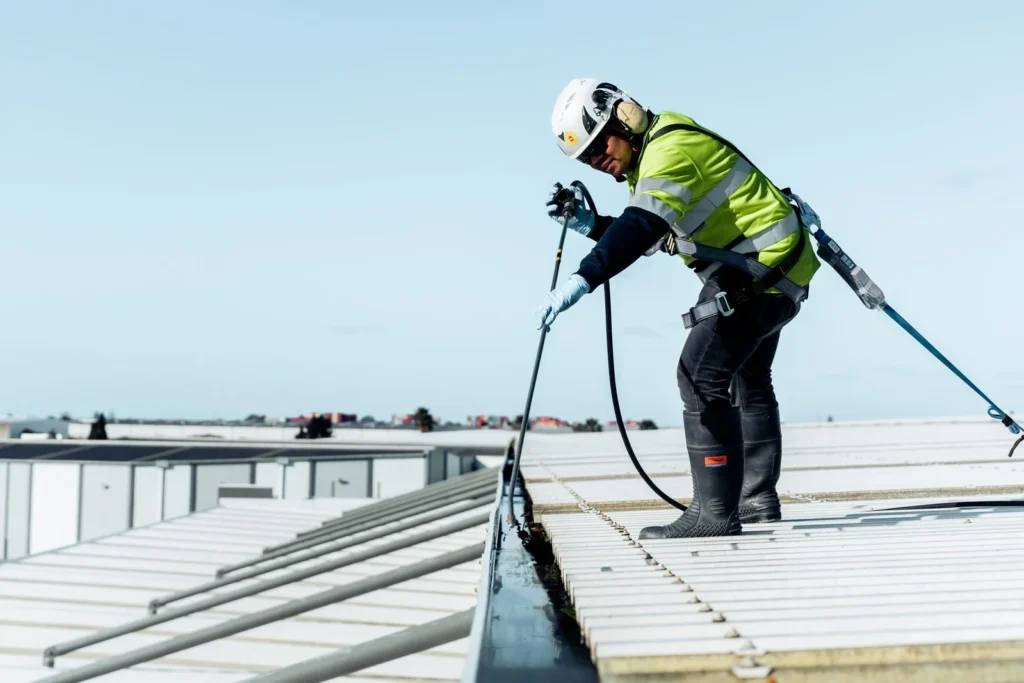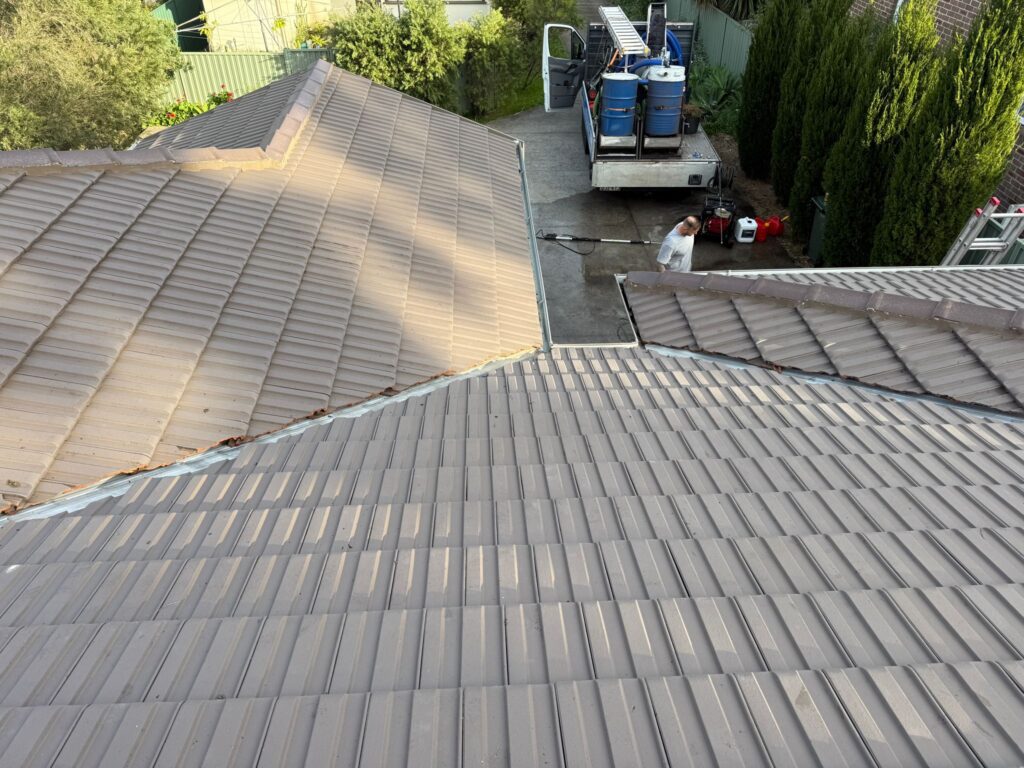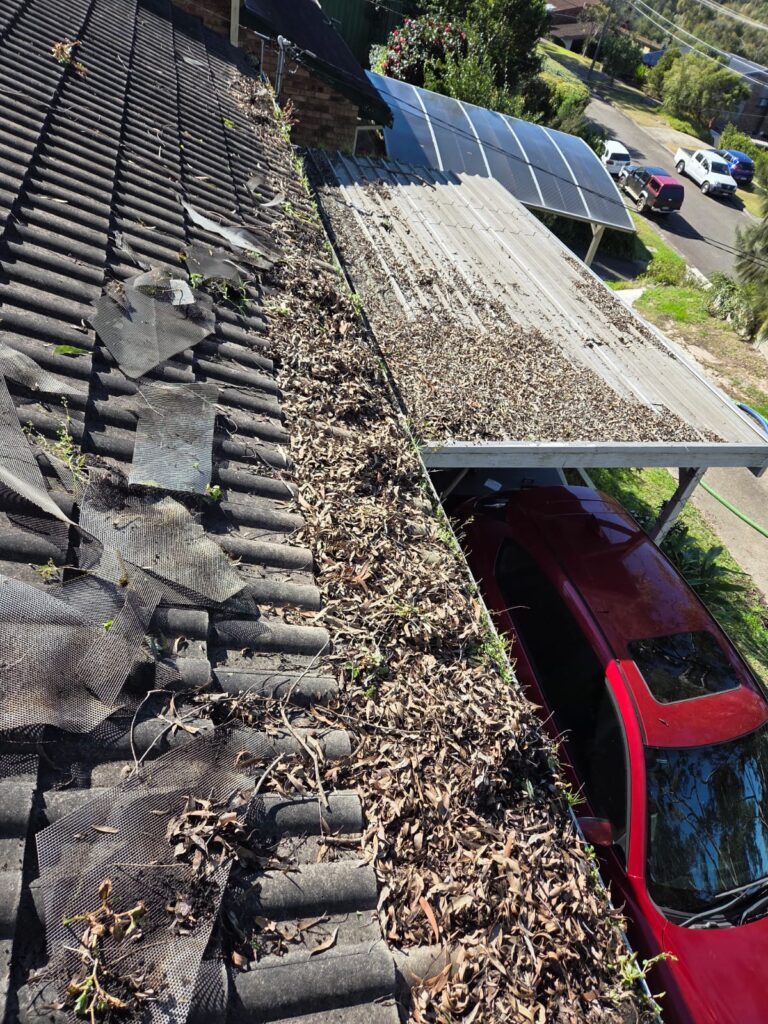

Black streaks, green patches and crusty growths on a roof are usually algae, mould or lichen. They love shade, moisture and slow-draining surfaces, which is why they are common on south-facing roofs across Sydney and the Illawarra.
Why it matters
Lichen holds moisture against tiles, speeds up wear and can lift roof coatings. It also makes a home look neglected.
What causes it
- Shade from trees and neighbouring buildings.
- Blocked gutters that keep the roof edge wet.
- Humid coastal air.
Safe removal
High-pressure blasting can damage tiles and force water under them. A low-pressure treatment that kills the growth at the root is safer and lasts longer. See our mould and lichen removal service for how we do it.
Prevent it returning
Keep gutters clear with regular gutter cleaning, trim back overhanging branches and consider pressure cleaning on surrounding surfaces. Also read about Can you clean the gutters on an asbestos roof? where extra care is required.
Mould, algae and lichen: what is the difference?
Algae shows up as dark streaks, often black or grey, and is the most common. Mould appears as dark or green patches and thrives in damp, shaded areas. Lichen is a combination of fungus and algae that grows as raised, crusty patches in grey, orange, yellow or green. Lichen grips the surface and is the hardest to remove.
What it does to a roof
Surface growth is not only cosmetic. On concrete and terracotta tiles it holds moisture against the surface, which can speed up deterioration and let the tile surface break down. On metal roofs it can trap water and accelerate coating damage. Heavy growth also changes how the roof sheds water, adding to the load on gutters, and the debris that washes off can stain walls and paths below.
Why it grows where it does
- South-facing slopes get less sun and stay damp longer.
- Tree cover shades the roof and drops organic matter that feeds growth.
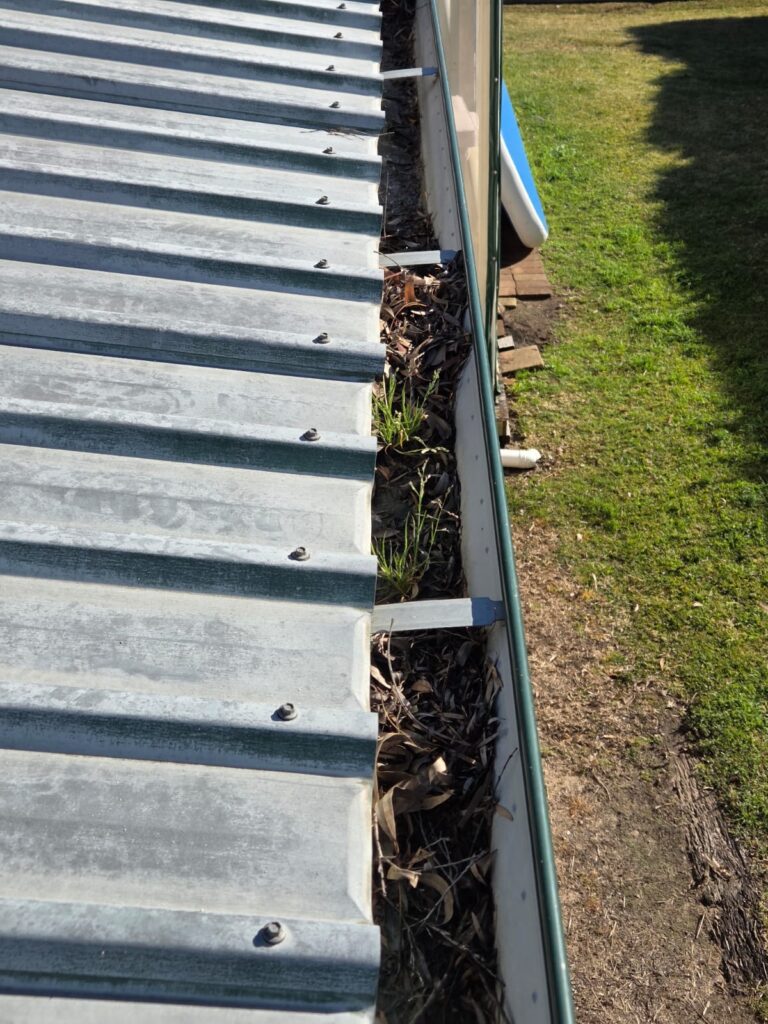
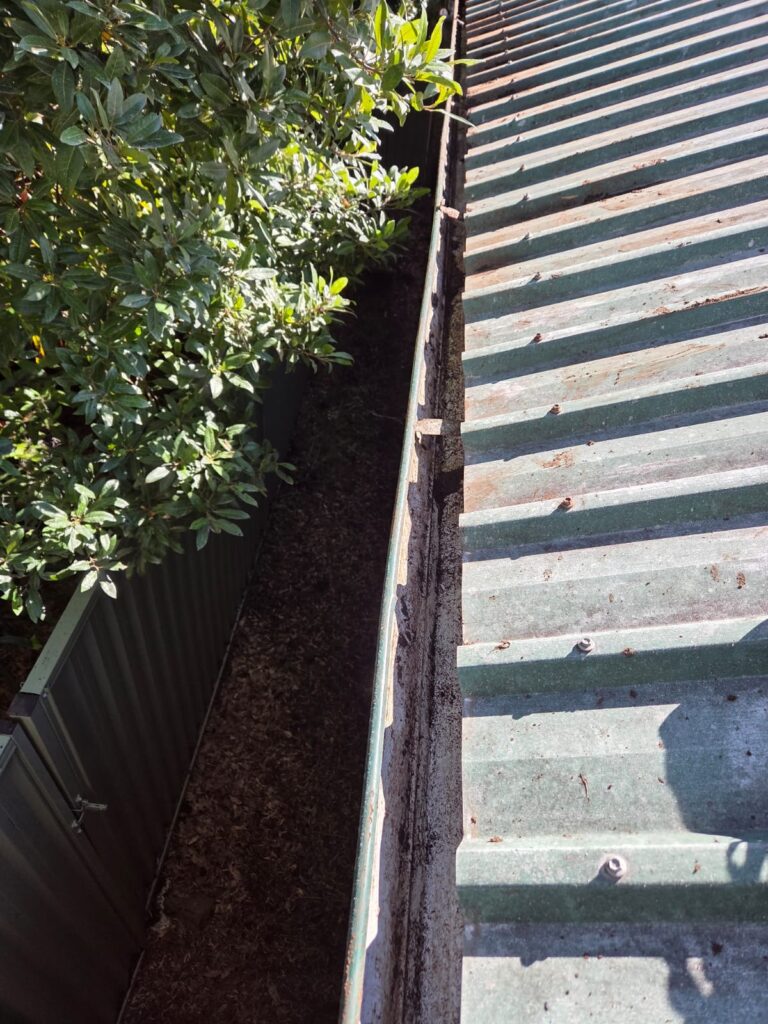
- Blocked gutters hold standing water at the edge of the roof.
- Low-pitched or flat sections keep moisture in contact with the surface.
- Humid or coastal climates, such as the Illawarra, give growth ideal conditions all year.
Why high-pressure blasting is the wrong answer
It looks effective because the surface appears clean afterwards. But high pressure can strip the protective surface layer from tiles, crack older tiles and force water up under the laps. The roots of lichen can remain, so it grows back quickly, often faster than before because the surface is now rougher. Manufacturers generally advise against it, and some warranties exclude damage caused by it.
The safer approach
- Inspect the roof for cracked tiles, loose ridge capping and gutter condition before cleaning.
- Clear the gutters so water and debris are not sitting at the roof edge.
- Apply a biocide treatment that kills the growth at the root.
- Rinse gently at low pressure once the growth has died back, if required.
- Fix underlying issues such as overhanging branches or damaged tiles.
The visible result develops over a few weeks as the treated growth dies and washes away with rain.
Asbestos roofs
Older roofs, especially fibro sheeting from before the late 1980s, may contain asbestos. These must not be pressure washed or scrubbed, because disturbing the surface can release fibres. If you are unsure what your roof is made of, get it checked first. See our article on cleaning gutters on an asbestos roof.
Preventing regrowth
- Trim back overhanging branches so the roof gets more sun and airflow.
- Keep gutters clear year-round.
- Repair broken tiles and loose flashing.
- Re-treat every few years, depending on conditions.
Frequently asked questions
How long does treatment take to work?
The growth begins to die back soon after application, with the full result usually visible after a few rain events.
Can I use bleach?
Household bleach can discolour tiles, damage plants and corrode metal fittings. Products made for roofs are a safer choice.
Will cleaning make my roof last longer?
It removes a source of moisture and surface damage, which helps. It is not a substitute for repairs where tiles are already damaged.
Request a free quote and we will get back to you with a fixed price.