
Pigeons, starlings and mynas nest in roof gaps and under solar panels. The droppings, nesting material and noise cause real problems, including blocked gutters and damaged wiring.
Signs you have a problem
- Droppings on panels, paths or walls.
- Twigs and grass sticking out of gaps.
- Noise in the roof space at dawn.
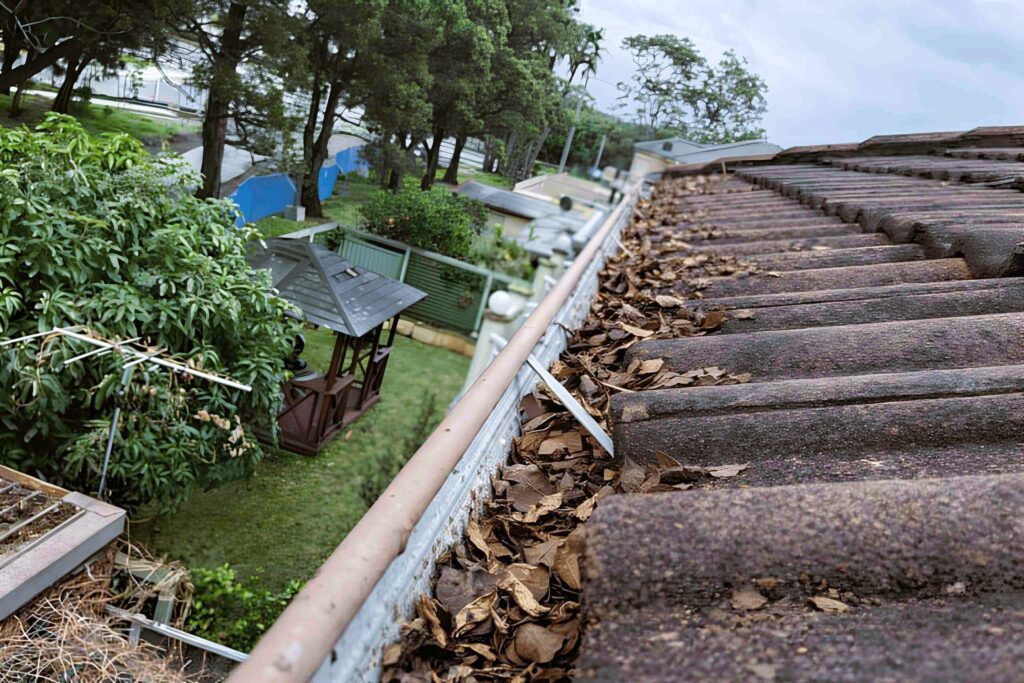
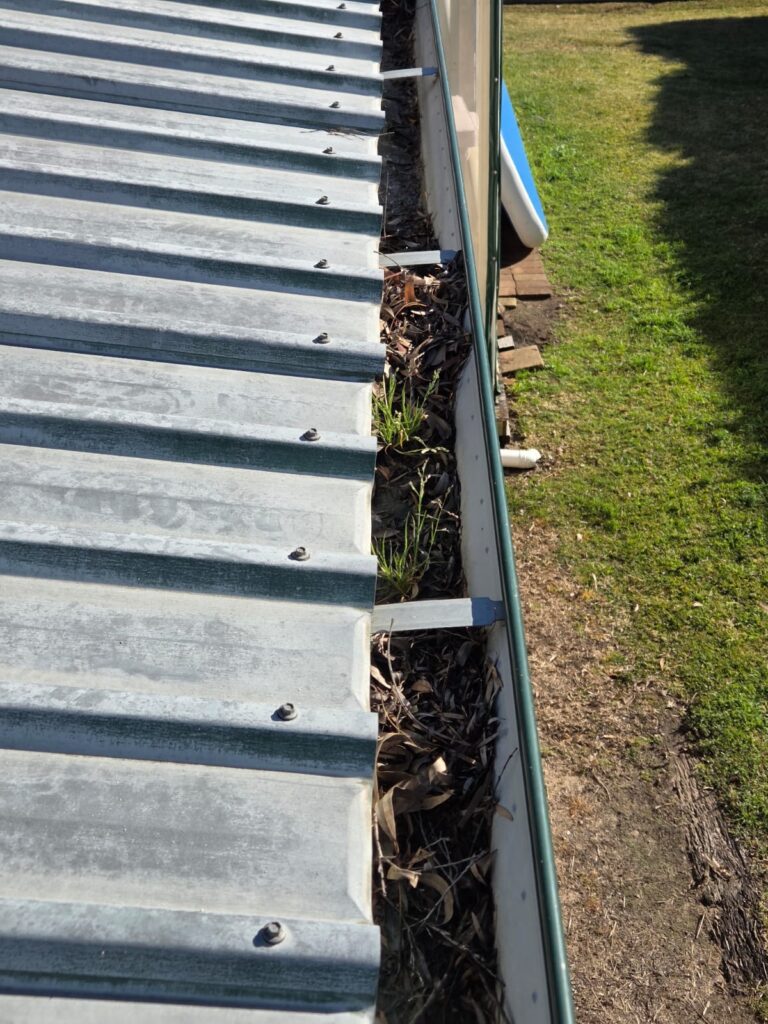
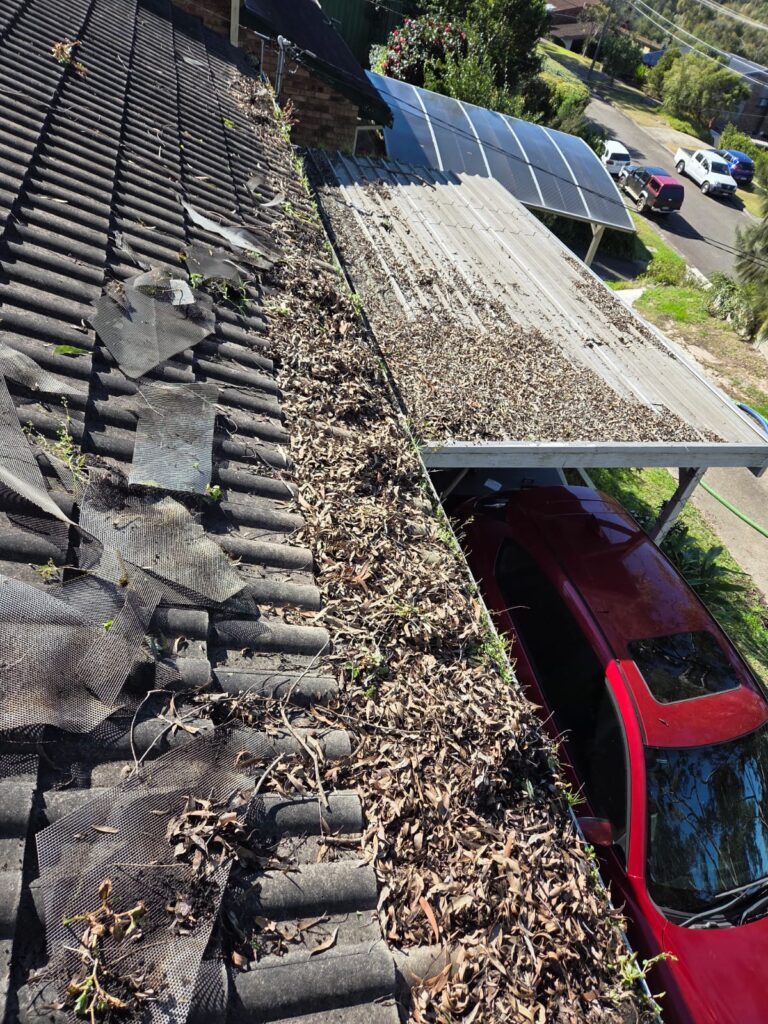
- Gutters overflowing with nest material.
Humane prevention that lasts
Clear out old nests first, then seal the entry points. Mesh around solar arrays keeps birds out without harming them or affecting the panels. Our bird proofing service covers both.
Clean up properly
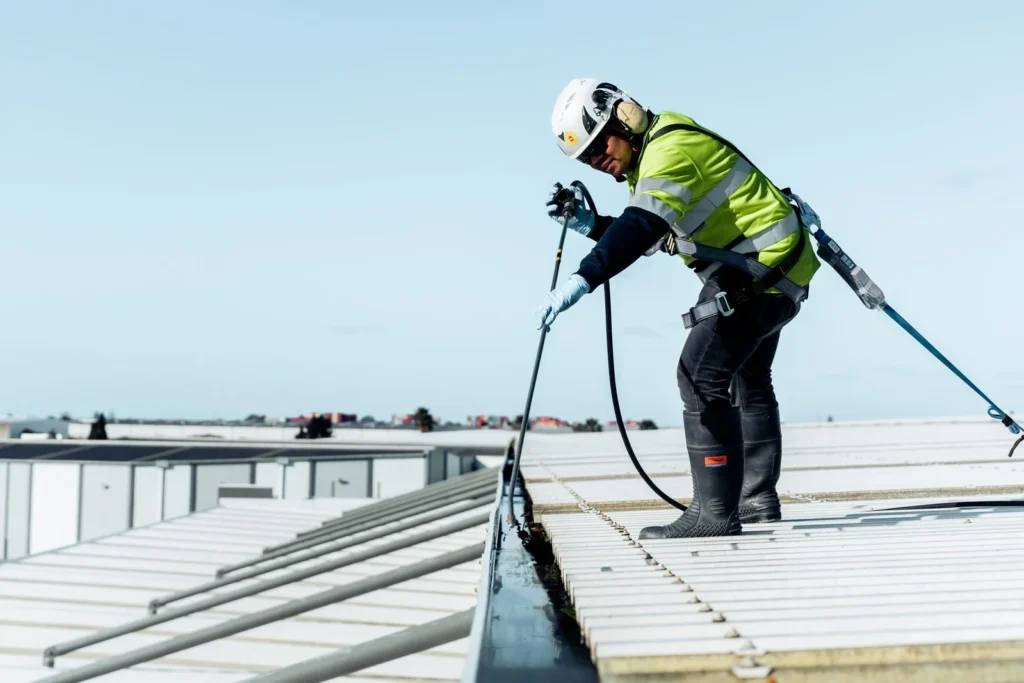
Bird droppings are a health risk, so clean-up is best done with the right protective equipment. Our solar panel cleaning and gutter cleaning teams can handle the aftermath.
Read next: how to clean solar panels safely.
Why birds choose your roof
A roof offers everything a nesting bird wants: shelter from weather, protection from predators and warmth. Solar panels create a cosy, shaded gap that is almost perfect. Once one pair nests successfully, others follow and the same site is reused year after year.
What the damage actually looks like
- Droppings are acidic and can stain and corrode roof surfaces, paving and vehicles.
- Nesting material blocks gutters and downpipes, which leads to overflow and water entering the eaves.
- Chewed or displaced cabling beneath solar arrays can cause faults or fire hazards.
- Mites and parasites can spread from nests into the roof space and the house.
- Noise disturbs sleep, especially in early morning.
Step one: check the legal position
Many Australian native birds are protected, and it is an offence to harm them or disturb active nests in some circumstances. Introduced species such as pigeons, common mynas and starlings are treated differently in most states, but the rules vary. The safest approach is to wait until a nest is inactive before removing it, and to use exclusion methods that do not hurt the birds.
Step two: clean up safely
Dried droppings can release spores and bacteria into the air when disturbed. Wear a P2 respirator, gloves and eye protection, and dampen material before removal. Dispose of waste in sealed bags. For large infestations, it is safer to use professionals with the proper equipment.
Step three: exclude them properly
Solar panel mesh
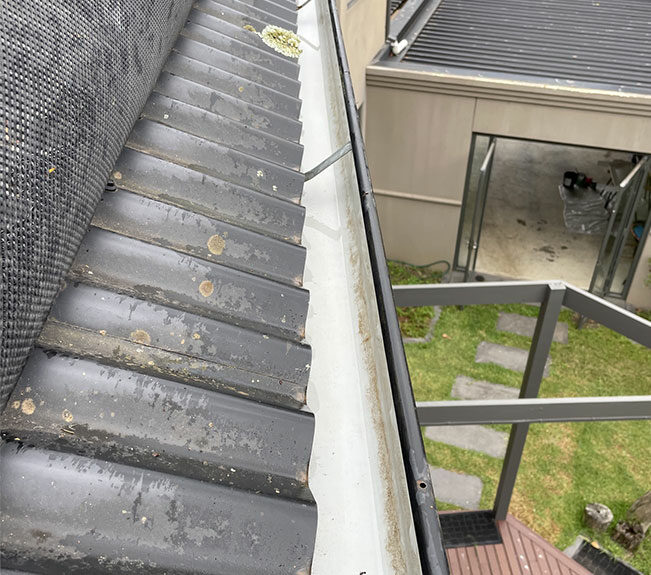
A strip of galvanised or PVC-coated mesh clipped around the perimeter of the array blocks access without drilling into the panels or affecting performance. It must be fitted correctly: poorly installed mesh can be pushed aside, or it can trap debris and look untidy.
Sealing roof gaps
Gaps at ridge capping, under eaves and at the end of tiles are common entry points. These can be sealed with mesh or purpose-made strips that still allow ventilation.
Deterrents
Spikes, netting and visual deterrents help in some places, but birds can adapt, and a physical barrier is far more reliable than a scare device alone.
Keep it from coming back
- Trim branches that give birds access to the roof.
- Do not leave food, pet food or open compost where birds can feed.
- Inspect the roof after storms for new gaps.
- Have panels and gutters cleaned regularly so signs of activity are spotted early.
Why gutters matter here too
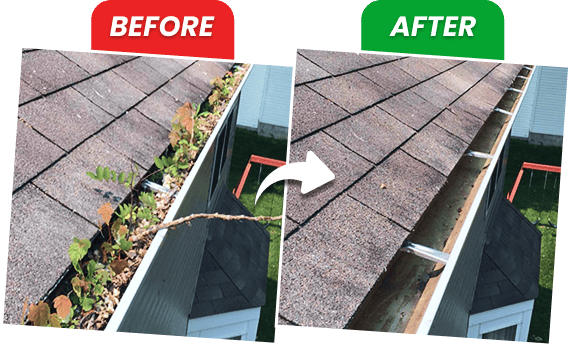
Nesting debris is a common cause of blocked downpipes. If you notice twigs and grass in your gutters, that is a sign birds are already using the roof. Our gutter cleaning includes clearing this material, and our team can recommend exclusion work in the same visit.
Frequently asked questions
Is bird proofing safe for solar panels?
Yes, when done with purpose-made clips and mesh, it does not affect warranties or output.
Can I remove nests myself?
Check that the nest is no longer active and that the species is not protected. Use protective equipment, and avoid working at height without proper safety measures.
How long does bird proofing last?
Quality mesh and sealing can last many years, but it should be inspected after severe storms or if you see birds returning.
Request a free quote and we will get back to you with a fixed price.